South African Museum and National Gallery
We did a museum day today and visited the Iziko South African Museum and the Iziko South African National Gallery. Iziko is isiXhosa for “hearth” and an organization that operates 11 national museums in Cape Town under the label Iziko Museums of South Africa. The two museums we visited are next to each other and a visit can be combined with a stroll through the public park Company’s Garden.
The South African Museum was first on our list. On paper, this is the natural history museum of Cape Town, with countless fossils and animals on display—from the smallest sea creatures to the biggest mammals. Very child-friendly and with some interesting facts on the side. My fun facts of the day:
- The mythological ability of human beings to take on animal qualities is called therianthropy.
- Sharks can detect electromagnetic fields with organs called ampullae of Lorenzini. Newborn bonnethead sharks can detect less than one nano-volt per square centimeter. This is like sensing the electrical field generated by a common flashlight battery in an area 16,000 km wide!
But the South African Museum is more than an exhibition venue, it is also a place of ongoing research and redefinition of museum education in the post-Apartheid South Africa. That’s why my favorite parts were the immersive exhibition experience Humanity—a celebration of diversity and the human evolution as an act of creativity and endurance—and the traces of the ISAM200 festivities, the 200th birthday of the museum in 2025. Four of the six floors that house research and office facilities were open to the public showcasing research achievements, ways of working, objects not on display, and wrongdoings.
Transforming Museum Practice
During the colonial era, ancestral remains primarily of San, Khoe, and other indigenous peoples, were unethically collected without consent for racial and pseudoscientific study. Since 2012, Iziko Museums has worked to redress this legacy through repatriation and respectful reburial. […]
This marks a vital shift in museum practice—from dehumanising exploitation to ethical stewardship, healing, and re-humanisation, guided by respect for the individuals and communities affected by historical injustices.
I salute this sentiment of 21st-century museum practices that I have witnessed in many museums around Europe and now also in Cape Town: Hey, we fucked up and we know that large portions of our museal corpus only belong to us because of colonialism, war, racism, and looting. But we pledge to use our range of influence and play our part in making things transparent and—to a degree—right.
Not everything is perfect in the land of provenance and retribution, far from it. These days, I am happy that things are put on the right track, though.
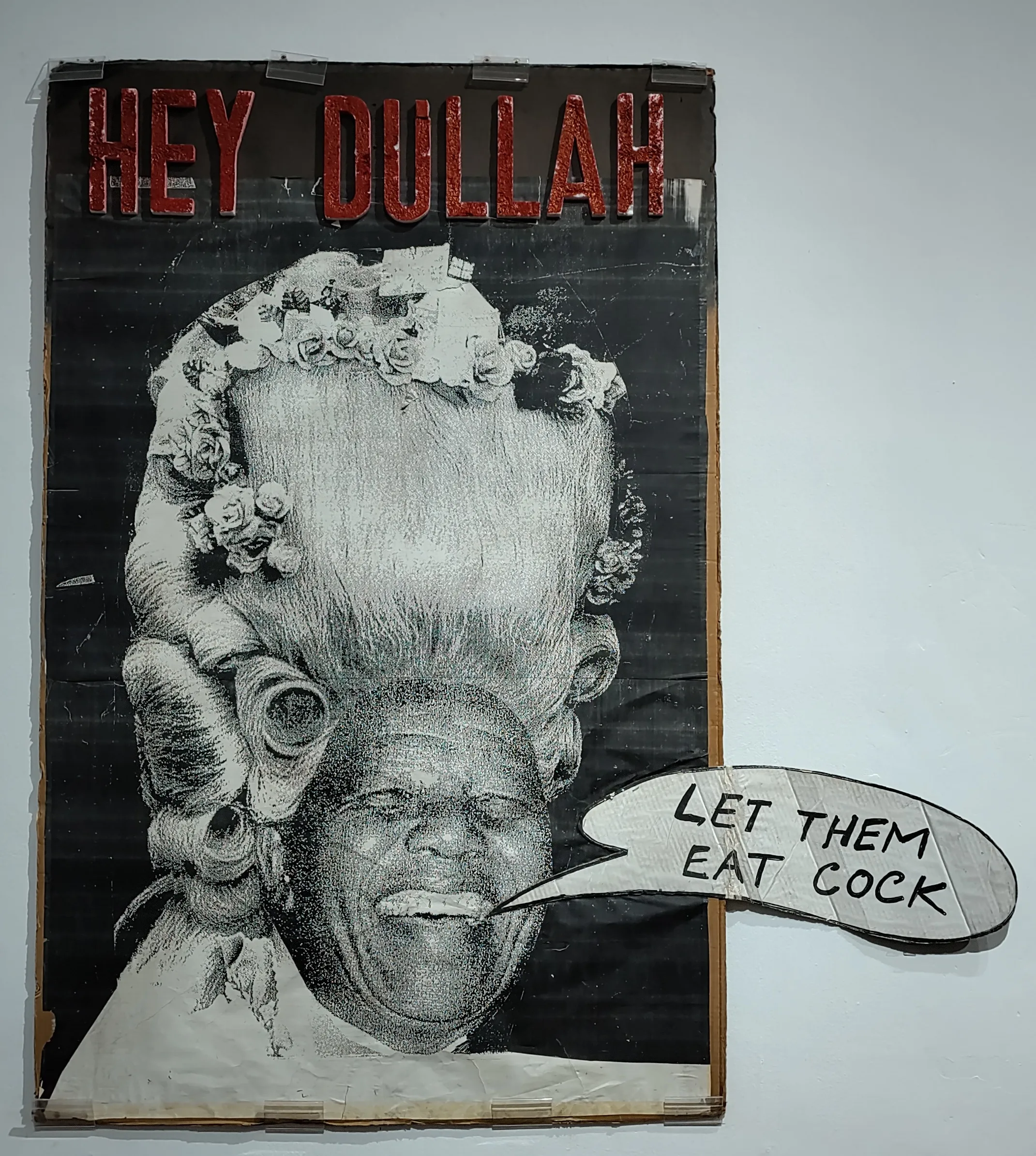
Now, the alert reader will have noticed, that the cover image to this note is probably not from a natural-history museum… The South African National Gallery is currently home to two suprisingly progressive exhibitions: Steven Cohen: Long Life Retrospective and Motherhood: Paradox and Duality.
My oh my! I don’t think I am prejudiced as to what I can expect in a South African art museum, but I was not expecting this level of avant-garde and intensity! So I guess I was prejudiced after all and I feel sorry now. Both exhibitions have been remarkable and sparked some interesting conversations between Katharina and me hours after the visit.
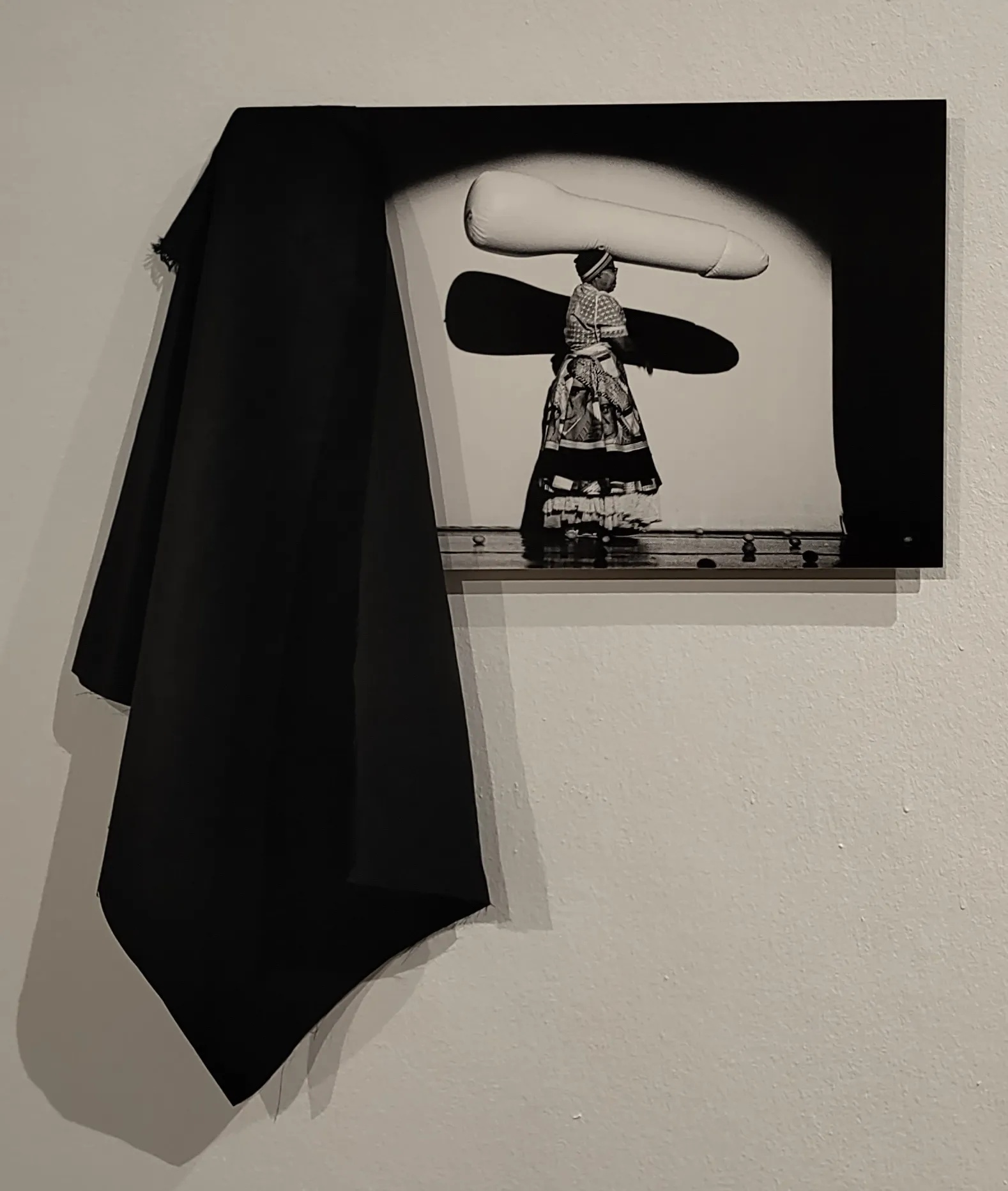
It would be ludicrous for me to try and outline artist Steven Cohen (born 1962 in Johannesburg) and their work—it is too complex and still keeps my inner gears in motion. They are a fearless performance artist whose work revolves around identity, politics, sexuality, freedom, and love, all through their lens of being a white South African queer jew. I urge you to look them up and form your own opinion. But here are some hints: Their work includes nudity, Third Reich memorabilia, a lot of penises. All of the polarization aside, it is of a touching tenderness and disarming sincereness.
I’m messing with a society that is more shocked by the violence of my self-presentation as a monster/queer/unrepresentable or whatever than by the actual violence they live with every day. It’s almost as if, because I’m alive and present, I’m more real and more threatening than reality.
A very interesting detail of the exhibition itself: The museum veiled some of his works with black cloth, but kept them hanging, in a weird balacing act of supporting artistic freedom
while respecting ethical museum practice, public accountability, and the stewardship of the histories and communities we represent.
We talked with two other museum visitors about this briefly and decided to lift the veil. An interesting way to create platforms
and to value the role of art in stimulating dialogue, expanding perspectives, and reflecting the complexity of our society.
Unathi Kondile unpacks this for Cape Times in Steven Cohen censored at SA National Gallery, rightly so.
Speaking of mother figures… The second exhibition titled Motherhood: Paradox and Duality explored—with refreshing honesty and relentlessness—the complexities of mothering as both a site of strength and a battleground of expectation.
As she rocks the screaming creature in her arms, she feels a quick rush of rage.
Phew… This museum left me with so many thoughts to think and so many emotions to feel. This visit will stay with me for a while! I would like to end this note with another highlight of the museum: It’s permanent exhibition.
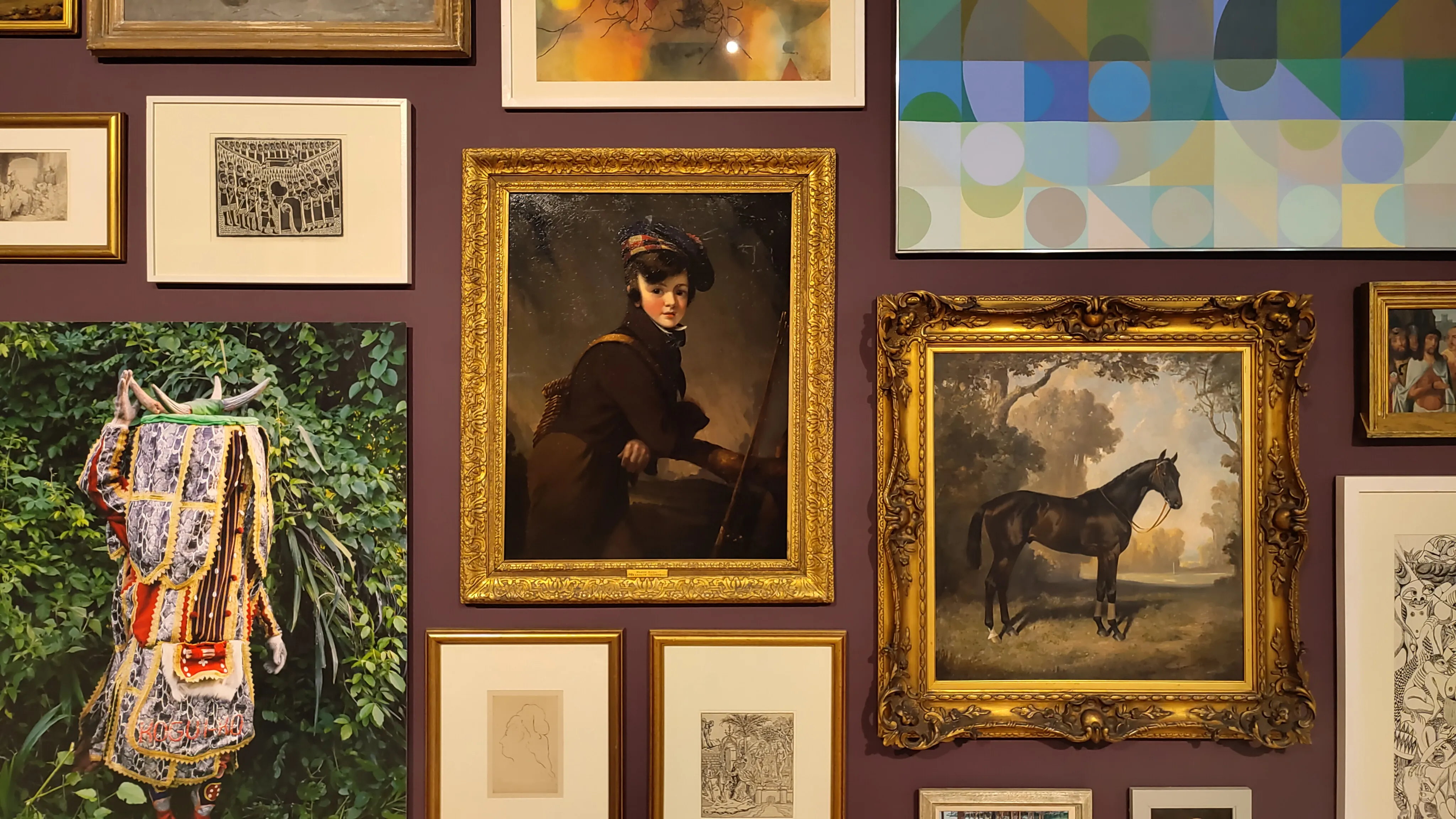
I think I’ve never seen a salon hang with so many different paintings from so many different eras. My synapses are firing in all directions. What a way to showcase a museum’s complex and multi-faceted collection. Well done!